Children of today probably dream about high-tech toys and mass-produced computer games.
In my day though, we nodded off at night to the imaginary clash of pirate cutlasses, the rustling of palm fronds in a gentle Caribbean breeze and visions of treasure chests overflowing with pieces of eight and golden doubloons.
Not for one imaginative moment when I was a boy, did I ever consider a possibility that one day I would possess coral encrusted emeralds and pieces of eight from the treasure chests of wrecks of early 17th Century Spanish galleons; or ducatson from wrecks of Dutch armed merchants and gold, silver and copper from 17th and 18th Century British men o’ war; plus trading vessels which lay under the sea for hundreds of years. Yet, today I own such items from more than a dozen shipwrecks.
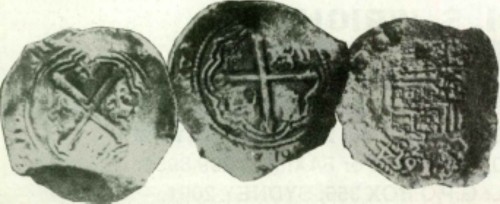
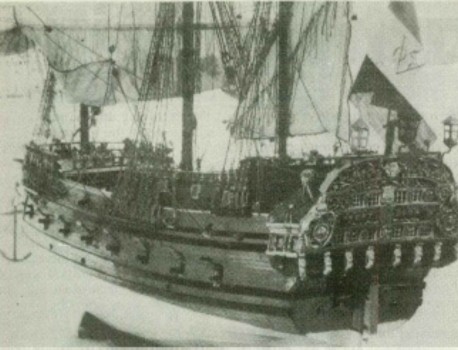
There are literally thousands of shipwrecks scattered all over the world. Many of them, certainly many from the 17th and 18th Century, are of ships whose main purpose was either to trade or bring home the results of silver and gold mining exploits in the New World. Some of these wrecks contain hundreds of thousands of silver and gold coins. Even if the ship was a naval vessel, it often contained coinage seized from ships taken as prizes or from war time skirmishes. As a result of early navigational errors, storms or fire, these treasures are now strewn on the sea beds awaiting the salvager.
The interest for the coin collector is that not only are thousands of hitherto quite rare coins available from wrecks, but often they are in uncirculated condition – gold coins in particular are not affected by immersion into the sea.
Some coins are so rare that they cause their finders dire problems. In the 1980’s Florida’s Mel Fisher offered a 1732 pillar dollar for sale, one of which had come from his searches on the wreck site of the 1733 Spanish Plate fleet and one of the first round and stamped coins ever minted in the new world. It was dated 1732 and bore the assayer’s initials ‘M•F•’ – never before seen on a coin. It took a legal battle to establish the coin’s authenticity.
The excitement of holding in the hand a chunk of silver which has spent the hundred years under the sea and which reached its watery grave as a result of an act of piracy, a violent storm or warfare, is a feeling which most of us would like to experience.